



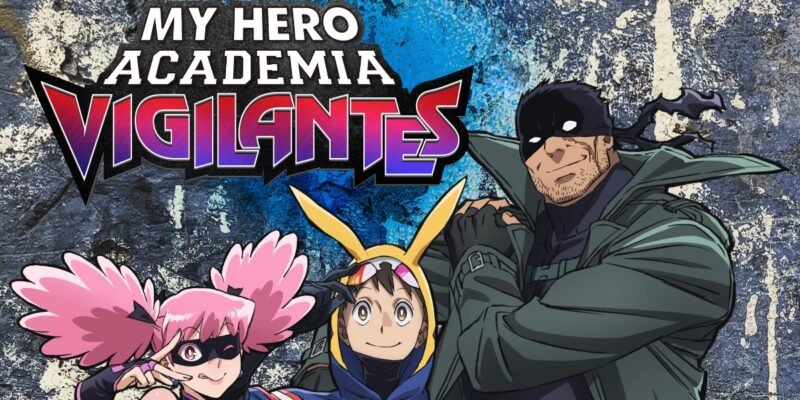

My Hero Academia: Vigilantes Season 2 continues to prove that the world of My Hero Academia works just as well outside the main story. Instead of focusing on the next generation of heroes, the series leans into a darker and more grounded version of the same universe. The stakes are more personal, and the story focuses more on survival than glory. That shift helps the series stand out while still feeling connected to the main anime. The newest installment builds on everything that made the first season work, making the story feel stronger overall.
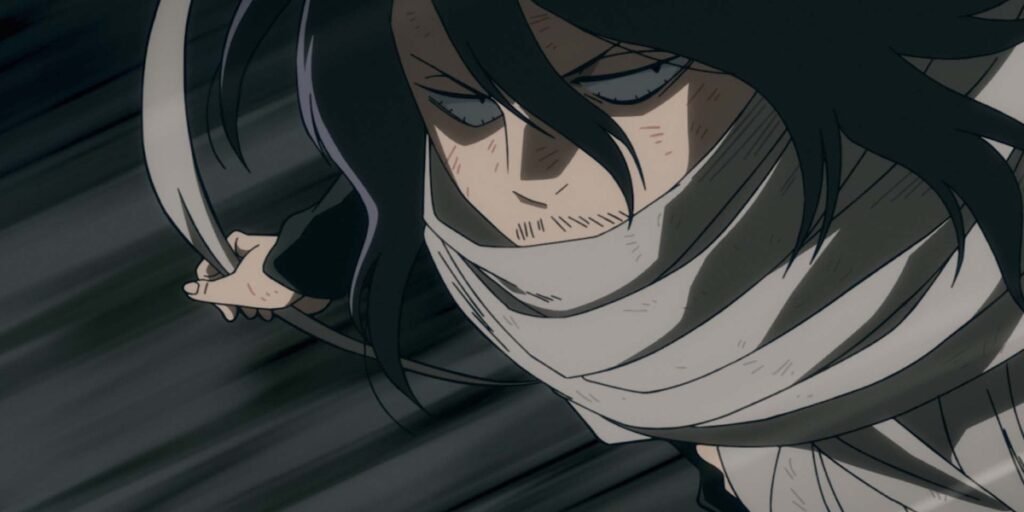
This season also strengthens the idea that My Hero Academia: Vigilantes truly works as a prequel. Viewers get to see how the hero system worked before the events of the main story. It also provides more context to characters who later become important in My Hero Academia. Shota Aizawa, also known as Eraserhead, receives much more focus this season. Junichi Suwabe voices Aizawa in the Japanese version, while Christopher Wehkamp voices him in the English dub. Seeing his past adds emotional depth and helps explain the hero he becomes later.
Street Level Heroes Reign in ‘My Hero Academia: Vigilantes’ Season 2
One of the biggest strengths of My Hero Academia: Vigilantes is how much it focuses on street-level heroes. Instead of giant battles that threaten the entire world, the story focuses on problems that affect everyday people. Koichi Haimawari continues to grow as a character because of this. Shuichiro Umeda voices Koichi in the Japanese version, while Jack Broadbent voices him in the English dub. His journey feels more relatable because he doesn’t start as someone intensely powerful. He simply wants to help people in ways that official heroes often overlook.
My Hero Academia: Vigilantes Season 2 also gives more attention to characters who inspire others to become heroes in the first place. Pop Step continues to develop and plays a much bigger role this season. Ikumi Hasegawa voices her in the Japanese version, while Macy Anne Johnson voices her in the English dub.
At the same time, Eraserhead’s backstory becomes one of the most emotional parts of the season. Watching his early struggles makes his personality in the main series feel more meaningful. That focus on smaller-scale heroism helps My Hero Academia: Vigilantes Season 2 feel more grounded than the main anime.
Vigilantism is Against the Law in ‘My Hero Academia: Vigilantes’ Season 2
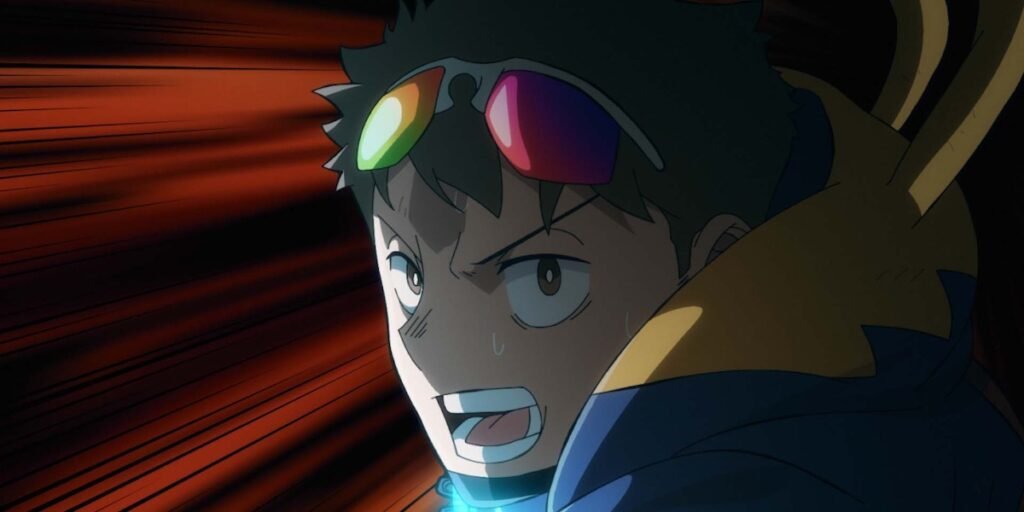
Season 2 dives much deeper into society’s view of vigilantism. In the world of My Hero Academia, people who act without a hero license are treated as criminals, even if they are trying to help others. That idea creates a constant conflict throughout the season. Koichi continues to act as a hero even when the system doesn’t fully accept him. That tension helps the story feel more mature than the main series at times. It also raises questions about what truly makes someone a hero.
My Hero Academia: Vigilantes Season 2 also explores the idea that some vigilantes feel more heroic than licensed heroes. Knuckleduster remains one of the strongest examples of that idea. Yasuhiro Mamiya voices him in the Japanese version, while Jason Marnocha voices him in the English dub. His actions aren’t always clean, but his motivations feel genuine. Season 2 makes it clear that heroism isn’t always defined by rules or recognition. Instead, it shows how ordinary people can become heroes in their own right.
The World of ‘My Hero Academia’ Continues to Expand
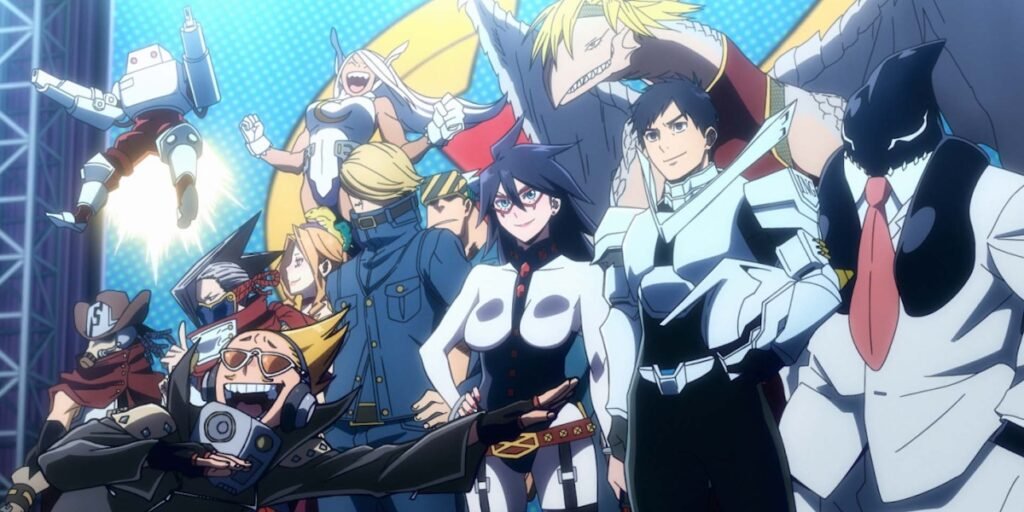
Another highlight of Season 2 is the chance to explore the world of My Hero Academia at a different point in time. The series introduces earlier versions of heroes fans already know. Seeing characters like Best Jeanist and Mirko in a different era makes the world feel larger and more connected. Hikaru Midorikawa voices Best Jeanist in the Japanese version, while Micah Solusod voices him in the English dub. Sayaka Kinoshita voices Mirko in the Japanese version, while Anairis Quiñones voices her in the English dub. These appearances help make the prequel feel important and connected instead of unnecessary.
The timeline also makes the world feel more flexible. Instead of focusing on only one group of characters, the franchise feels like a sandbox full of different stories. The tone in My Hero Academia: Vigilantes Season 2 feels darker and more grounded, which helps it stand apart from the main anime. At the same time, it still captures the same emotional energy that makes the series popular. That balance makes the series a meaningful addition to the overall franchise, while also setting up the story for an epic conclusion.
Will Season 3 of ‘My Hero Academia: Vigilantes’ Be the Final Season?

My Hero Academia: Vigilantes Season 2 proves how strong the series has become. The voice acting is more confident, especially during emotional moments. The animation style remains very similar to the main series, which helps the story stay connected to the larger world. The characters are more developed, and the emotional moments land much harder than before.
With the manga already finished, My Hero Academia Season 2 also builds toward a final conclusion. The way this season ends gives the impression that there may be only one more season left. However, the world of My Hero Academia still has so much more to explore. There are still stories that haven’t been told, especially in earlier timelines. As of now, My Hero Academia: Vigilantes Season 3 has not been officially confirmed, nor do viewers know whether that would be the final installment of the series. Thankfully, if this season is a sign of things to come, the final chapter could be the strongest one yet.
Make sure to follow the Agents of Fandom socials for the latest entertainment news and reviews.
‘My Hero Academia: Vigilantes’ Season 2 Review
‘My Hero Academia: Vigilantes’ Season 2 ReviewThe Good
- This season further builds on the world of My Hero Academia.
- Strong voice acting performances from the cast.
- The tone between light and dark was perfectly balanced.
The Bad
- The stakes although more personal feel low given this is a prequel.
- The antagonist throughout the season felt lackluster.
- The pacing can feel uneven with stories fluctuating from street level to overarching plot lines.